
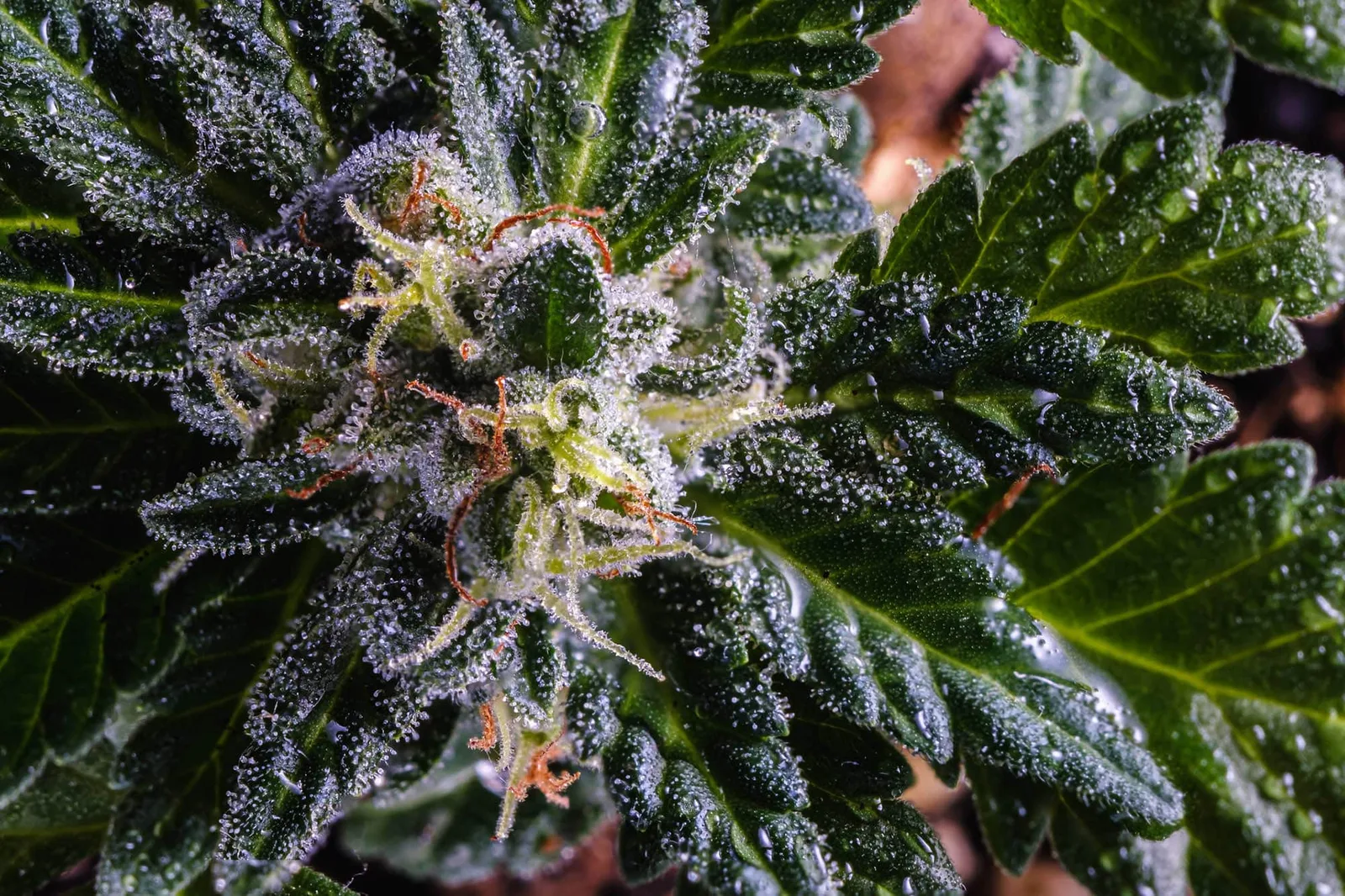

Few topics in cannabis cultivation generate more heat than flushing. Walk into any grow room, scroll through any forum or sit in on a cultivation panel at a cannabis trade show, and you’ll encounter growers who swear by it and growers who swear it’s pure myth. The debate has been going on for decades... Here’s the honest answer: it’s complicated.
This guide examines cannabis plant flushing with a science-backed breakdown of what flushing cannabis actually does, what the peer-reviewed research shows, what it doesn’t tell us, and how to make the best decision for your grow operation - whether you’re a home cultivator or running a licensed commercial facility.
What Is Cannabis Flushing?
Flushing cannabis means watering your plants with plain, pH-balanced water - no added nutrients - for a period of time before harvest. Depending on who you ask and what medium you’re growing in, that window ranges from one or two days to two full weeks. The practice originated in the hydroponic and synthetic nutrient world, where salt accumulation in the root zone is a real and well-documented problem. Over time, it spread to soil and coco growers, and the rationale evolved into a broader belief: that flushing “cleans” the plant of excess nutrients and results in smoother, better-tasting flower. That belief went unchallenged for a long time because there was no research to test it. Now there is.What the Research Actually Shows
The RX Green Technologies Study
In 2019, RX Green Technologies conducted what is widely considered the first formal scientific study on cannabis flushing. Researchers grew the Cherry Diesel strain in a coco-based medium using the company’s own nutrient line, then divided plants into four groups flushed for 0, 7, 10, or 14 days before harvest. Key findings:- No significant difference in THC potency across any flushing duration
- No significant difference in terpene concentrations
- No significant difference in final flower yield
- No measurable reduction in mineral content within the flowers themselves
- In blind taste tests with cannabis industry experts, the zero-day (unflushed) samples trended toward better flavor scores
The ScienceDirect Peer-Reviewed Study (2024)
A more recent study published in the journal Industrial Crops and Products (ScienceDirect, 2024) examined the effects of flushing on five different medical cannabis cultivars grown under controlled conditions. One group received nutrients until harvest (no flushing); the other received only distilled water in the final phase (flushing). Key findings:- Flushing had minor effects on plant development and physiological function
- No significant impact on cannabinoid or terpenoid concentrations
- Flushed plants showed some expected visible decline (yellowing fan leaves, reduced chlorophyll) but no reduction in bud quality
- Researchers noted a potential environmental and economic benefit: flushing reduces agricultural inputs and the risk of over-fertilization without harming yield quality
What the Research Doesn’t Cover
Both studies have meaningful limitations worth understanding when you’re making cultivation decisions:- Neither study evaluated true living organic soil systems, where nutrient dynamics work fundamentally differently
- The RX Green study used only one strain; cannabis genetics vary enormously in how they respond to nutrient deprivation
- Neither study fully examined the impact of significantly over-fed plants - the scenario where flushing may have the most practical value
- Taste and aroma are inherently subjective; blind taste panels are useful but not definitive, especially with small sample sizes
A Medium-by-Medium Framework: Should You Flush?
The answer is genuinely different depending on how you grow.Soil - The Most Nuanced Case
Soil holds nutrients and microbial life in complex ways. True living organic soil - the kind that’s been built with compost, amendments, worm castings, and beneficial microorganisms - is a fundamentally different environment from a container filled with a synthetic-fed soilless mix. General guidance:- Organic soil, well-managed: Flushing is generally unnecessary and may actually disrupt beneficial microbial activity. Taper feedings in the final two weeks instead.
- Synthetic-fed container soil: A moderate flush (5-10 days) may help address salt accumulation if you’ve been feeding at high EC levels. But if you’ve been feeding at appropriate levels with good runoff management, you may not need it.
- Outdoor in-ground grows: Flushing is impractical. Reducing or stopping fertilizer in the final few weeks is the better approach.
Coco Coir
Coco is an inert medium with minimal buffering capacity. It holds onto some nutrients (particularly calcium and magnesium) but doesn’t retain them the way soil does. For coco growers running proper runoff practices - ensuring 10–20% runoff at each watering - salt buildup should be minimal by the time harvest approaches. If your runoff EC has been tracking well, a short flush of 3-5 days is reasonable and carries little risk. If you’ve been pushing high EC levels, a slightly longer window may be appropriate. Coco growers should continue beneficial microbe products through harvest if applicable.Hydro / DWC
Hydroponic systems have direct contact between roots and nutrient solution. Changing the reservoir to plain pH-adjusted water achieves a “flush” almost immediately. The scientific case for extended flushing is weakest here - the RX Green study was conducted in a coco/hydro system and found no benefit. A 1-2 day reservoir change before harvest is a reasonable, low-risk step. An extended two-week flush in hydro is almost certainly unnecessary and may stress your plants without benefit.Addressing the Most Common Flushing Myths
Myth 1: Flushing removes nutrients from inside the plant
This is the core claim - and it’s where the science pushes back hardest. Once nutrients are incorporated into plant tissues, they don’t simply leave when you stop feeding. The RX Green study found no significant reduction in mineral content in flower tissue across any flushing duration. Nutrients locked into plant cells and complex organic molecules are not rinsed out by watering with plain water. What flushing does affect is the growing medium - reducing soluble salt concentration around the root zone. This is meaningful for managing the plant’s final uptake, but it is not the same as purging nutrients from bud tissue.Myth 2: White ash proves a plant was properly flushed
Ash color is primarily determined by combustion chemistry, not nutrient content in the flower. Factors like moisture content, curing quality, rolling technique, and even paper type affect how cannabis burns and what color ash it produces. The RX Green study found no correlation between flushing duration and ash color in blind tests. A proper dry and cure has far more influence over burn quality than a pre-harvest flush. More on that below.Myth 3: Black ash means a plant wasn’t flushed
Black or dark ash can result from incomplete combustion, high residual moisture, poor curing, or the combustion properties of certain terpenes and plant compounds - not necessarily from leftover nutrients. Conflating ash color with flushing effectiveness has no scientific basis.Myth 4: Commercial flushing agents are necessary for a proper flush
This claim originated largely from nutrient companies selling flushing products. The premise - that chelating agents break nutrient bonds inside the plant that plain water cannot - has not been validated by independent research. Plain, properly pH-balanced water is what the limited science has actually tested. If you choose to flush, plain water is sufficient.Myth 5: Flushing improves terpene production
The idea that nutrient stress during flushing causes the plant to produce more terpenes as a defense response is an interesting hypothesis. The peer-reviewed research does not support it. Neither the RX Green study nor the 2024 ScienceDirect study found meaningful increases in terpene concentrations in flushed plants. Terpene production is heavily influenced by genetics, light spectrum, temperature, humidity, harvest timing, and how the flower is dried and cured - not by a pre-harvest water-only period. If protecting your cannabis terpene profile is your goal, focus energy there.What Actually Determines Final Flower Quality
The debate over flushing has often distracted from the factors that research and experienced cultivators consistently identify as having the greatest impact on smoke quality, potency, and flavor:Harvest Timing
Harvesting at peak trichome maturity - with the majority of trichomes milky white and amber trichomes beginning to appear based on your target effect - has far more impact on potency and experience than flushing. Harvesting early or late is a quality error that no amount of flushing corrects.Drying and Curing
This is the single most overlooked variable in cannabis quality, and the one most growers who attribute quality differences to flushing are actually benefiting from. A slow, controlled dry at 60-65°F and 55-60% relative humidity, followed by a proper cure in sealed containers with regular burping, breaks down chlorophyll, allows enzymatic reactions that develop flavor compounds, and produces the smooth, clean smoke most growers are chasing. If your cannabis is harsh, check your dry and cure before your feeding schedule. CannaCon’s drying and curing guide covers this in detail.Nutrient Management Throughout the Grow
Over-feeding is the root cause of most nutrient-related quality problems. Properly calibrated feeding programs that avoid excessive EC levels, especially in the final weeks of flower, eliminate most of what growers are trying to correct by flushing. Running appropriate EC levels with good runoff management throughout the grow means there’s far less to address at harvest. For growers focused on maximizing yield quality from the start, our guide on how to grow the best marijuana yield covers cultivation fundamentals in depth.Genetics and Phenotype
The cannabinoid and terpene potential of a cultivar is determined by its genetics. No post-harvest technique, including flushing, meaningfully changes what the plant was capable of producing. Selecting the right cultivar and phenotype for your goals - whether that’s THC potency, terpene richness, or specific effects - is foundational. Understanding the relationship between cannabinoids and terpenes helps inform those decisions.A Note for Commercial and Licensed Cultivators
Most flushing content is written for home growers. At commercial scale, the calculus is different and worth addressing directly. For licensed producers growing dozens to hundreds of plants per cycle, a two-week flush represents a meaningful loss in final flower development time, increased water costs, and additional labor for monitoring plant health during the deprivation period - with no scientifically demonstrated quality benefit in well-managed grows. Commercial cultivators who maintain dialed-in nutrient programs, proper runoff management, and consistent growing media management throughout the cycle are the least likely to see any benefit from extended flushing. The case for flushing is strongest in operations that have experienced salt accumulation issues or inconsistent feeding practices. The more productive investment for commercial quality is in standardized harvest timing protocols, controlled drying rooms with precision environmental controls, and consistent curing practices. These variables have the largest and most documented impact on consumer experience and increasingly on third-party lab testing for terpene profiles. For operations working to produce consistently potent cannabis at scale, process consistency across drying and curing is where the competitive advantage lives, not in pre-harvest water-only periods.Practical Guidance: If You Choose to Flush
For growers who want to continue flushing - whether from long-standing practice, personal experience, or caution - here’s how to do it without harming your plants:- Don’t start too early. Beginning the flush while buds are still actively developing sacrifices final weight and quality. Wait until trichomes are in the late milky/early amber phase before initiating any flush period.
- Use properly pH-balanced water. Target 6.0-6.5 for soil, 5.5-6.0 for coco and hydro. Flushing with improperly pH’d water can cause nutrient lockout in the final days.
- Monitor plant health closely. Some yellowing is expected and natural as the plant senesces. Rapid, widespread yellowing or signs of deficiency cascading into buds may indicate you started too early or are running the flush too aggressively.
- Keep timing medium-appropriate: Soil 5 to 10 days. Coco 3 to 5 days. Hydro/DWC 1 to 2 days (reservoir change only).
- Skip the commercial flushing agents. The scientific literature tested plain water; there is no independent peer-reviewed evidence that chelate-based flushing products produce meaningfully different results.
The Terpene Angle: Where Flushing Falls Short as a Strategy
One of the most frequently cited reasons for flushing is improving flavor - and flavor in cannabis is almost entirely a function of cannabis-derived terpenes. These aromatic compounds are volatile: they degrade with heat, light, rough handling, and improper post-harvest technique far faster than they’re influenced by a pre-harvest water-only period. If your goal is preserving and expressing the terpene profile your cultivar is capable of producing, the highest-leverage actions are:- Harvesting at the right time, before terpene degradation has begun
- Drying at cooler temperatures (ideally below 65°F) to slow terpene evaporation
- Avoiding light and heat exposure during dry and cure
- Curing properly in sealed, dark, climate-controlled conditions
- Handling flower gently to minimize trichome damage
The Science Doesn't Support Flushing
The science available in 2025 does not support flushing as a universal practice that meaningfully improves cannabis flower quality. That does not mean flushing is harmful. For growers who have over-fed, experienced salt stress, or are working with synthetic-heavy programs in coco or soil, a moderate flush is a reasonable risk-management step with low downside. What the evidence does clearly support is this: if you’re flushing because you’ve heard it produces white ash and smooth smoke, the more powerful levers are a slow dry, a proper cure, and harvesting at peak ripeness. The growers getting the cleanest, most flavorful results are consistently the ones who have mastered those fundamentals. Grow well, harvest at the right time, and take care of your flower after the chop. That’s where quality is made.Sources & Further Reading
- RX Green Technologies Cannabis Flushing Trial (2019)
- "To flush or not to flush: Does flushing the growing media affect cannabinoid and terpenoid production in cannabis?" - ScienceDirect / Industrial Crops and Products (2024)
- Cannabis Terpenes Explained - CannaCon
- Cannabis-Derived Terpenes - CannaCon
- Cannabinoids and Terpenes - CannaCon
- How to Grow the Best Marijuana Yield - CannaCon
- How to Produce Potent Weed - CannaCon
- Drying and Curing Cannabis Tips - CannaCon
This article was originally published in 2018 and updated Feb. 20, 2026. The views, thoughts, and opinions expressed in the text do not necessarily belong to the CannaCon organization, employees or other related individuals.